
Why Epic Training Shouldn't End at Go-Live
A Conversation with Incisive Consultant Meaghan Creydt
Many health systems invest significant time and resources into Epic training during implementation. But what happens years later?
We sat down with Incisive Consultant Meaghan Creydt to discuss her work helping UnityPoint Health build a sustainable provider education program more than a decade after their Epic go-live.
The transcript has been edited for length and clarity.
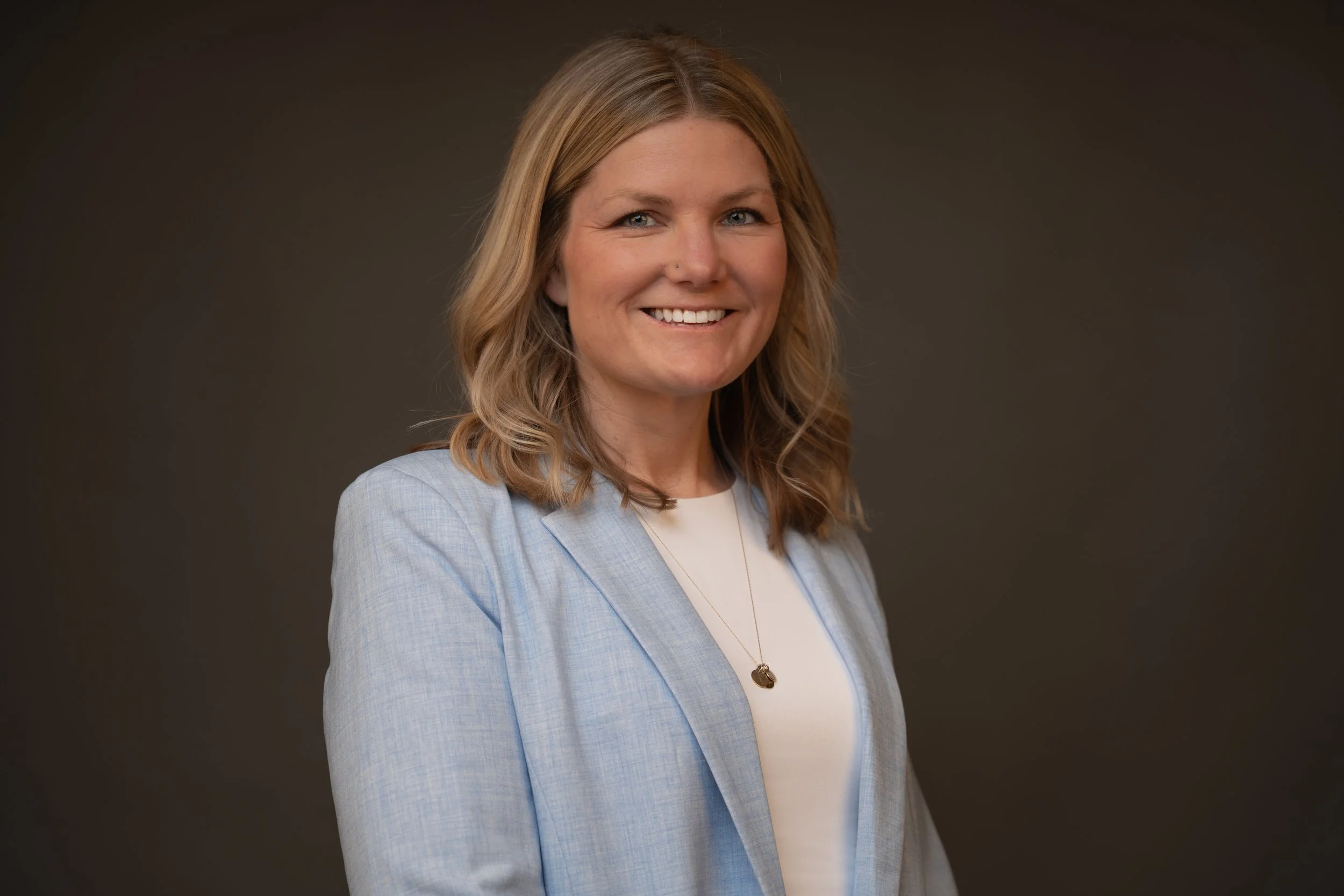
Meaghan Creydt
Q: What challenge was UnityPoint Health trying to solve?
When I joined the engagement, UnityPoint Health had already been live on Epic for more than 10 years.
Like many organizations, they were hearing the same concerns from providers: documentation was taking too long, after-hours work was increasing, and providers felt like they were spending too much time in the EHR.
The leadership team recognized that these challenges weren't necessarily technology problems. In many cases, providers had developed habits and workflows over time that were making Epic harder to use than it needed to be.
Their goal wasn't a quick fix. They wanted to create a long-term provider education program that would become part of the organization's culture.
Q: Why do these inefficiencies develop in the first place?
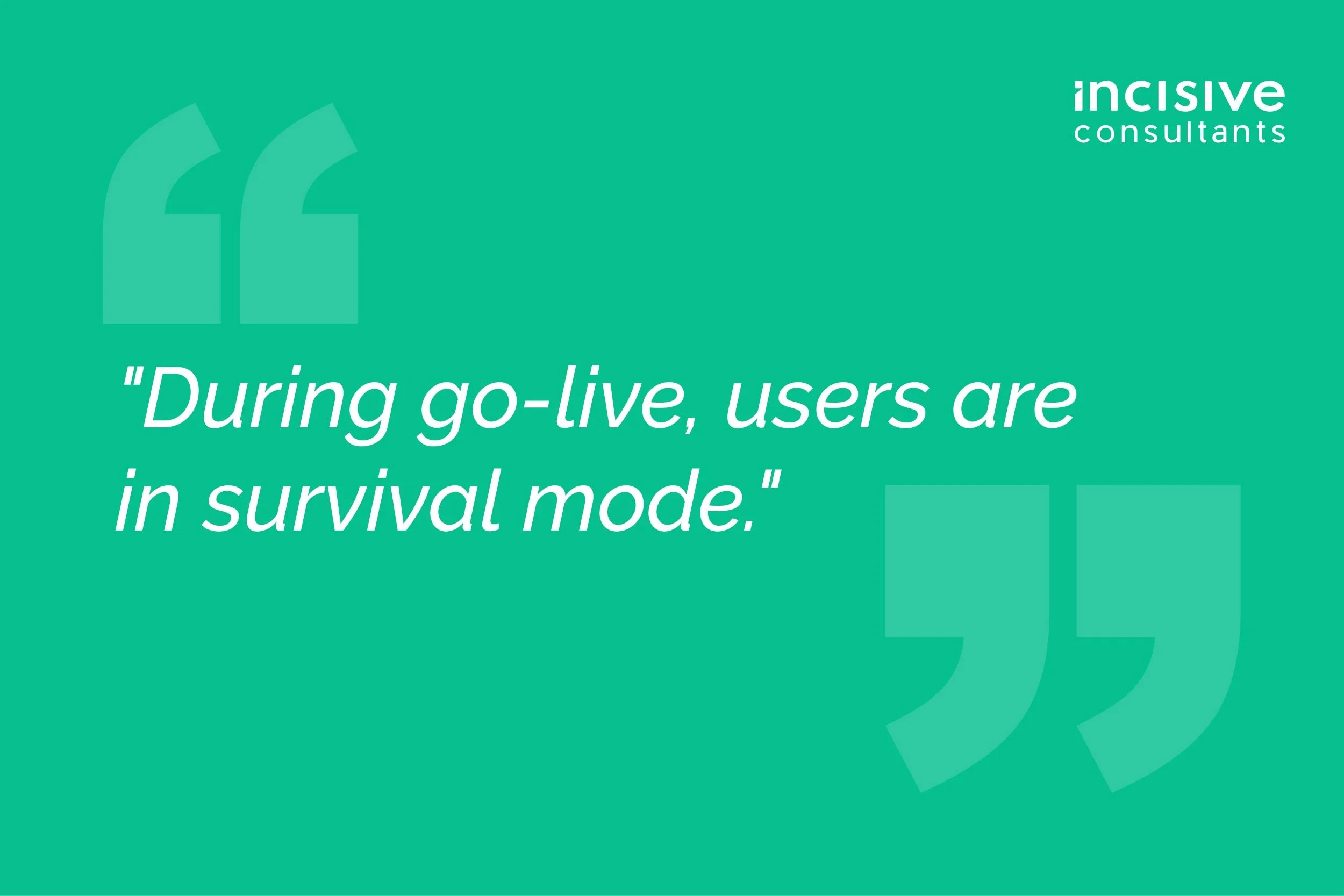
A lot of it comes back to what happens during go-live.
Providers are learning an entirely new system while still caring for patients. They're in survival mode. They find ways to get their work done, and those workarounds often become permanent habits.
Years later, they're still using the same inefficient workflows.
One example we saw frequently was providers manually editing orders every time they placed them. Instead of creating a customized version once, they were repeating the same clicks over and over again.
Those extra clicks may not seem like much, but when you repeat them hundreds of times per week, they add up quickly.
Q: How was this program different from traditional Epic training?
Traditional Epic training is designed to prepare users for go-live. Everyone is brought into a training environment and taught the fundamentals.
This program was different because it met providers where they were.
Rather than grouping people by specialty, we focused on common opportunities for improvement. If a provider wanted to learn more about In Basket management, personalization, documentation efficiency, or workflow optimization, they could participate regardless of specialty.
We also spent significant time working directly in production. Providers could immediately apply what they were learning to their real workflows, their real patients, and their real work.
That made the training much more meaningful.
Q: How did you identify where providers needed help?
We started by listening.
Our team traveled throughout Wisconsin and Iowa, shadowing providers and observing their workflows firsthand.
We also leveraged Epic Signal data to better understand how providers were using the system.
For many providers, this was the first time they had seen data showing how they compared to their peers.
We could see things like:
After-hours "pajama time"
Documentation patterns
Note length
Workflow efficiency metrics
The data helped validate challenges providers were already feeling while also highlighting opportunities for improvement.
Q: Was there a moment when providers really saw the value?
Absolutely.
One of my favorite moments was when I showed a provider how to turn a multi-step workflow into a simple toolbar button.
They looked at me and said, "I've spent 10 years opening that menu."
The change took less than a minute to implement.
That's what made the program successful. Providers didn't have to wait months to see results. They experienced immediate wins that saved time every day.
Q: How did you ensure the program would last beyond the engagement?
Sustainability was a major focus from the beginning.
We partnered closely with UnityPoint Health's internal training team and built on resources they already owned and understood.
Rather than creating something entirely new, we adapted existing training materials and delivery methods to better meet provider needs.
That approach allowed the organization to continue the program long after the initial engagement ended.
Today, provider education remains an ongoing part of the organization, supported by internal teams and reinforced through annual education requirements.
Q: What outcomes did the organization achieve?
The most important outcome was helping providers spend less time documenting and more time caring for patients.
We saw reductions in after-hours documentation, more efficient workflows, and improvements in documentation practices.
But the impact extended beyond efficiency.
Less time in the EHR means more face-to-face time with patients. It means better provider satisfaction. It means helping clinicians focus on the work they want to be doing instead of spending additional hours documenting after the workday ends.
Q: What advice would you give to health systems facing similar challenges?
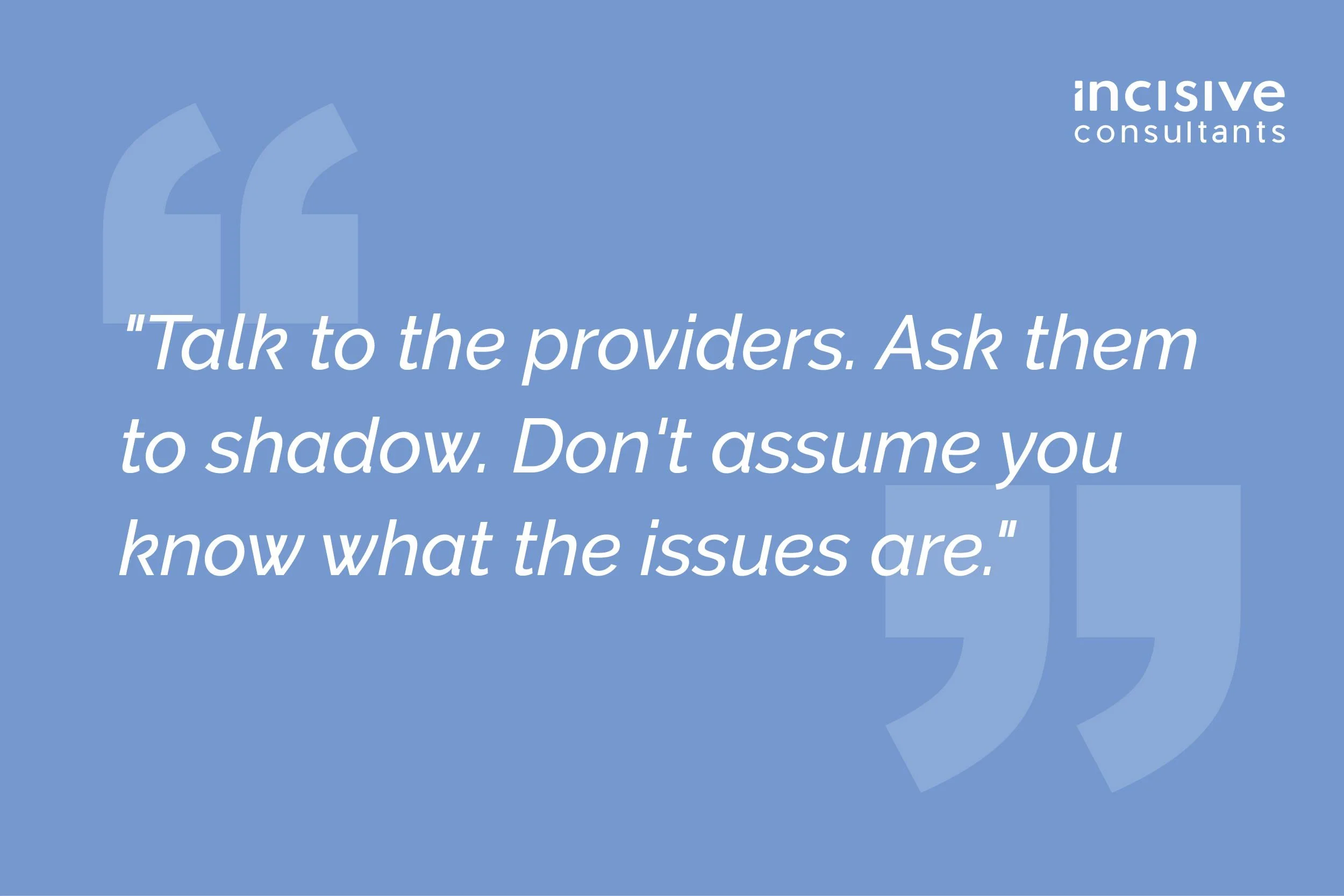
Start by talking to your providers.
Don't assume you know where the problems are.
Spend time shadowing providers, observing workflows, and understanding their day-to-day experience. You may discover issues that can be solved with a simple workflow adjustment, additional education, or a small system change.
The organizations that see the greatest success are the ones that view provider education as an ongoing investment—not a one-time event tied to go-live.
When education becomes part of the culture, improvements become sustainable.